
Islands in the Sky
The cloud forests of Central America act as islands in the sky isolating mountaintop populations of plants and animals from even nearby mountain peaks. The environment itself is special and this isolation makes each mountaintop unique. As you go up the mountain, the sun and humidity of the lowlands fade away into the clouds and mist. The mountaintops are rich in species diversity, but with relatively low populations of each species, finding a given plant or animal is easier said then done. I was in the Chiriquí Provence of Panama, but thanks to the elevation nighttime lows in the 40s and highs during the day topped out around 70. It almost felt like the temperate rainforests of the Pacific Northwest or British Columbia.
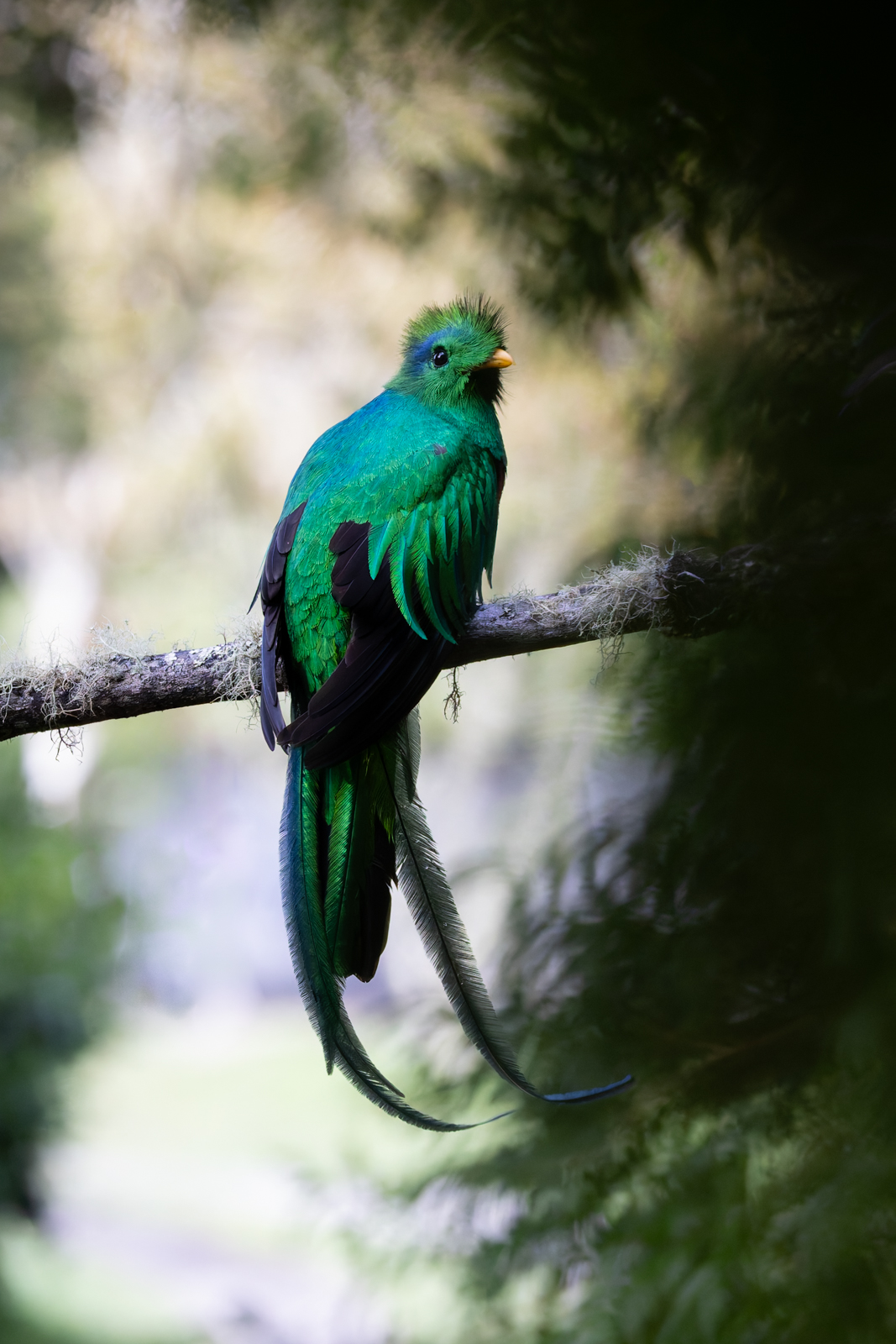
A male Resplendent Quetzal pauses from feeding his chicks.
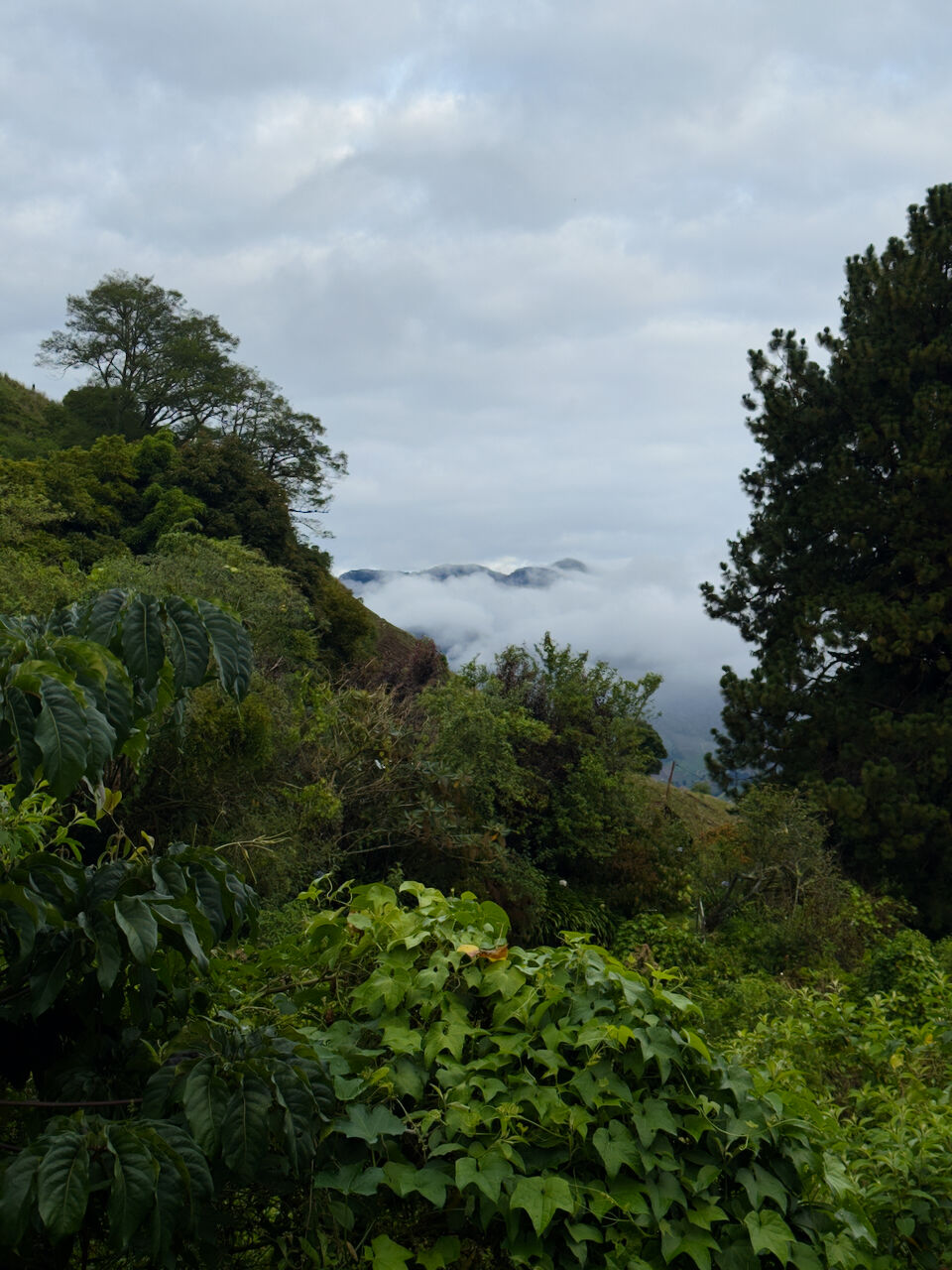
I came to Panama as part of a photography workshop through PhotoWild and led by the founder of PhotoWild, Jared Lloyd. The workshop allowed the participants to experience the birds, mammals, and other inhabitants of the cloud forest while learning and experimenting with low light and flash photography techniques. As promised, it wasn't a tour, but rather a workshop. I came back with some wonderful memories and experiences, and also increased competency with my camera gear and some experience with multi-flash photography setups.
The first day started off really hard for me. I was itching to get going and see the Cloud Forest, but as the agenda outlined, we spent the whole day in a classroom setting going through our camera settings, discussing lighting techniques, depth of field, shooting with high-ISO, reading histograms, and flash setups. I really want to get out in the field, but in hindsight this was time well spent.
Our home base for the week was the town of Volcán and we drove every day to the Tamandúa Cloud Forest Reserve situated at the edge of La Amistad National Park. Our 4-wheel drive vehicles were required on this rocky, rutted road through through the forest. I grew to enjoy the bumpy ride up and was greeted every morning with amazing coffee grown locally in the Chiriquí Provence. Watching a pair of Resplendent Quetzals while hearing a small coffee roaster crank away in the shed behind us was a welcome juxtaposition between the natural world and the local coffee-fueled economy.
Breakfast after a few hours in a blind or roaming the forest was a welcome treat. Literally everything in our meals was grown or raised locally. The supermarkets of the US are filled with beautiful looking fruits and vegetables, but their typical taste pales in comparison to the freshness of the dishes we were served. I am already missing the fresh papaya, pineapple and salads.
Flash photography was something I had never attempted before. Jared joked that photographers who say they "prefer to shoot in natural light", really don't understand how to effectively use flash in their photographs. Its not for every situation, but after years of capturing blurry, tail-only images of hummingbirds whizzing by, I can see the allure of utilizing a flash setup.
Before tackling the hummingbirds, we started with something a little less mobile.
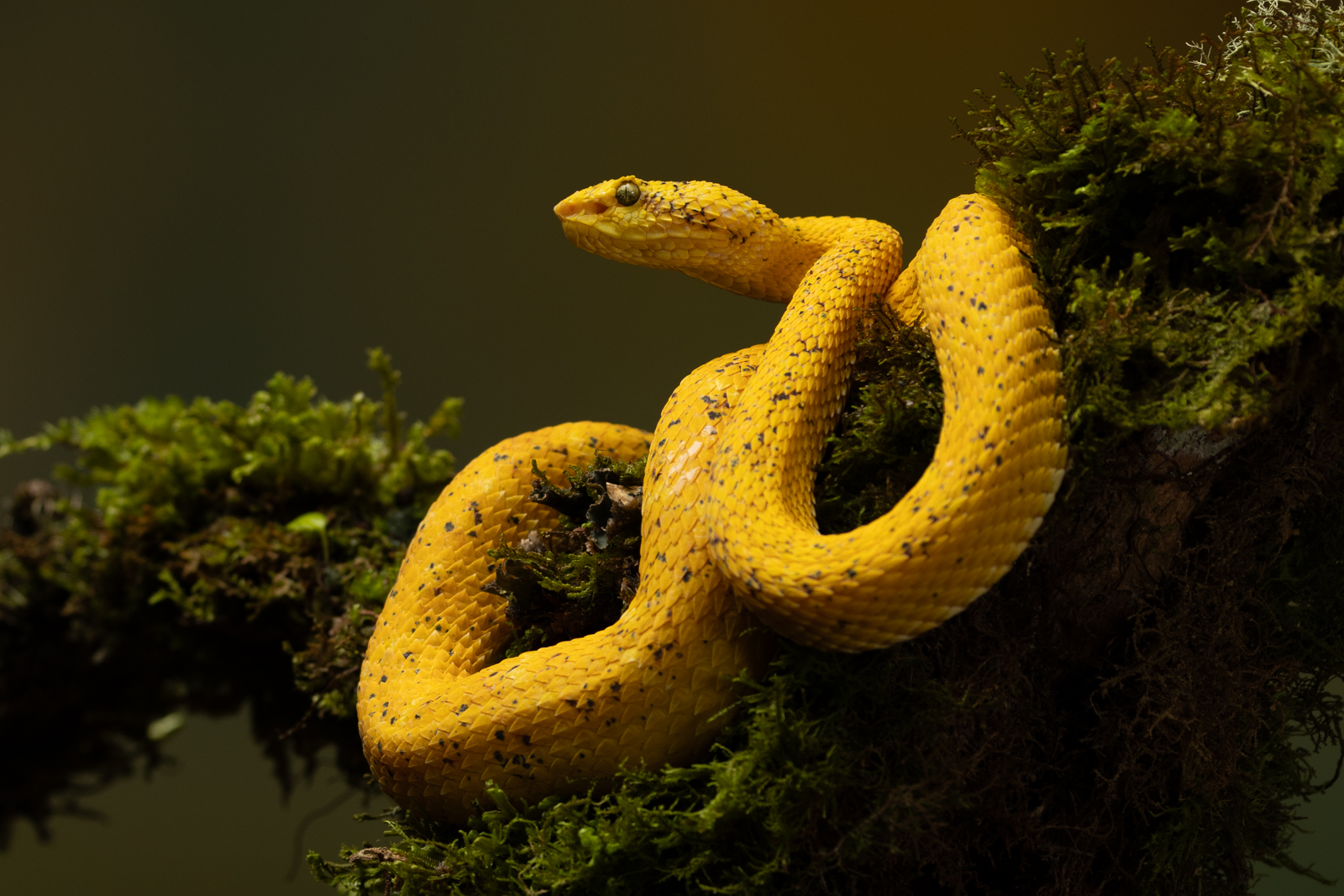
The Palm Viper above is gorgeous in any light, but with the addition of a few flashes, the vibrancy of the colors really comes to life.
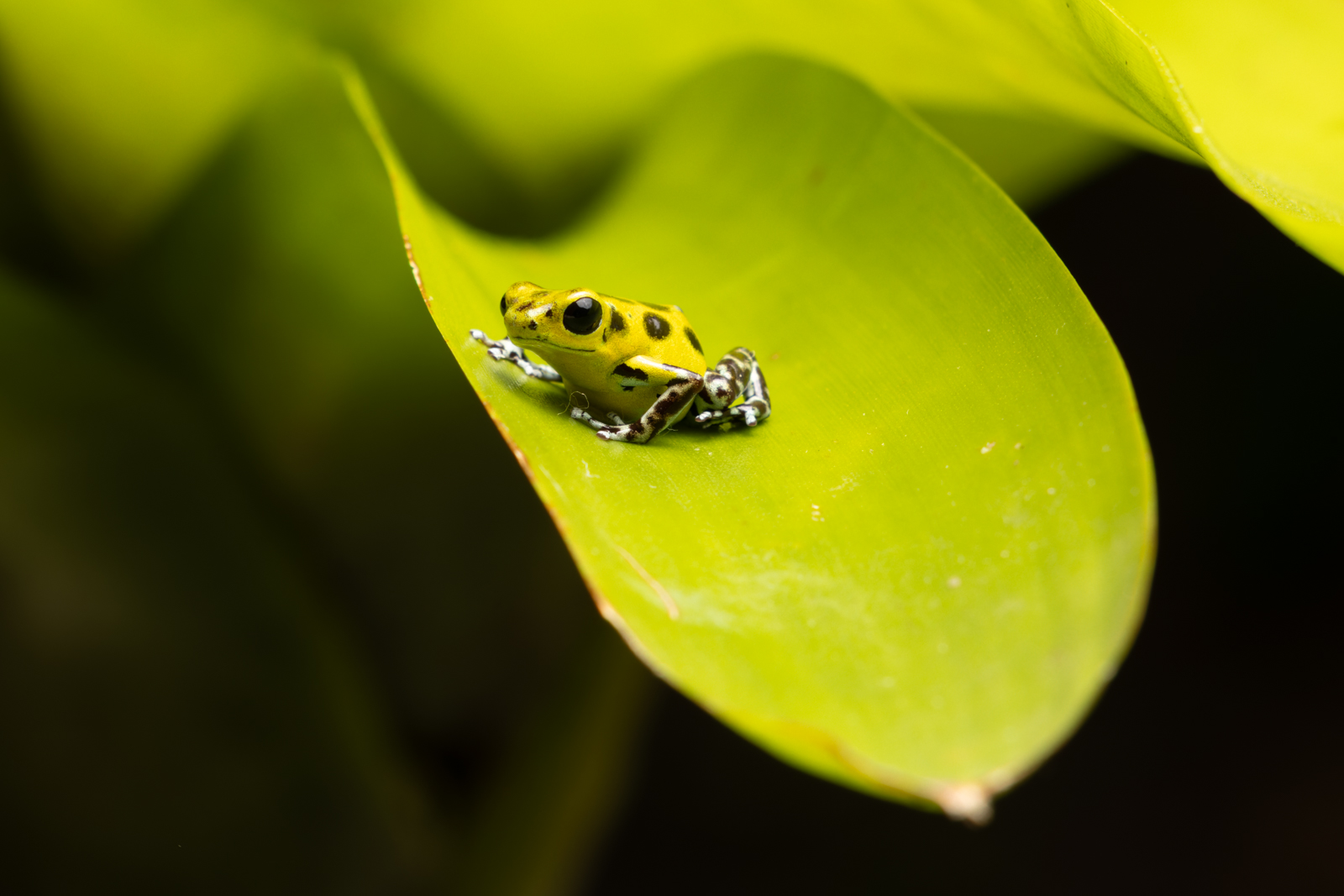
Same here for this Poison Dart Frog sitting on a bromeliad.
After photographing some more snakes and poison dart frogs, we took on more mobile subjects.
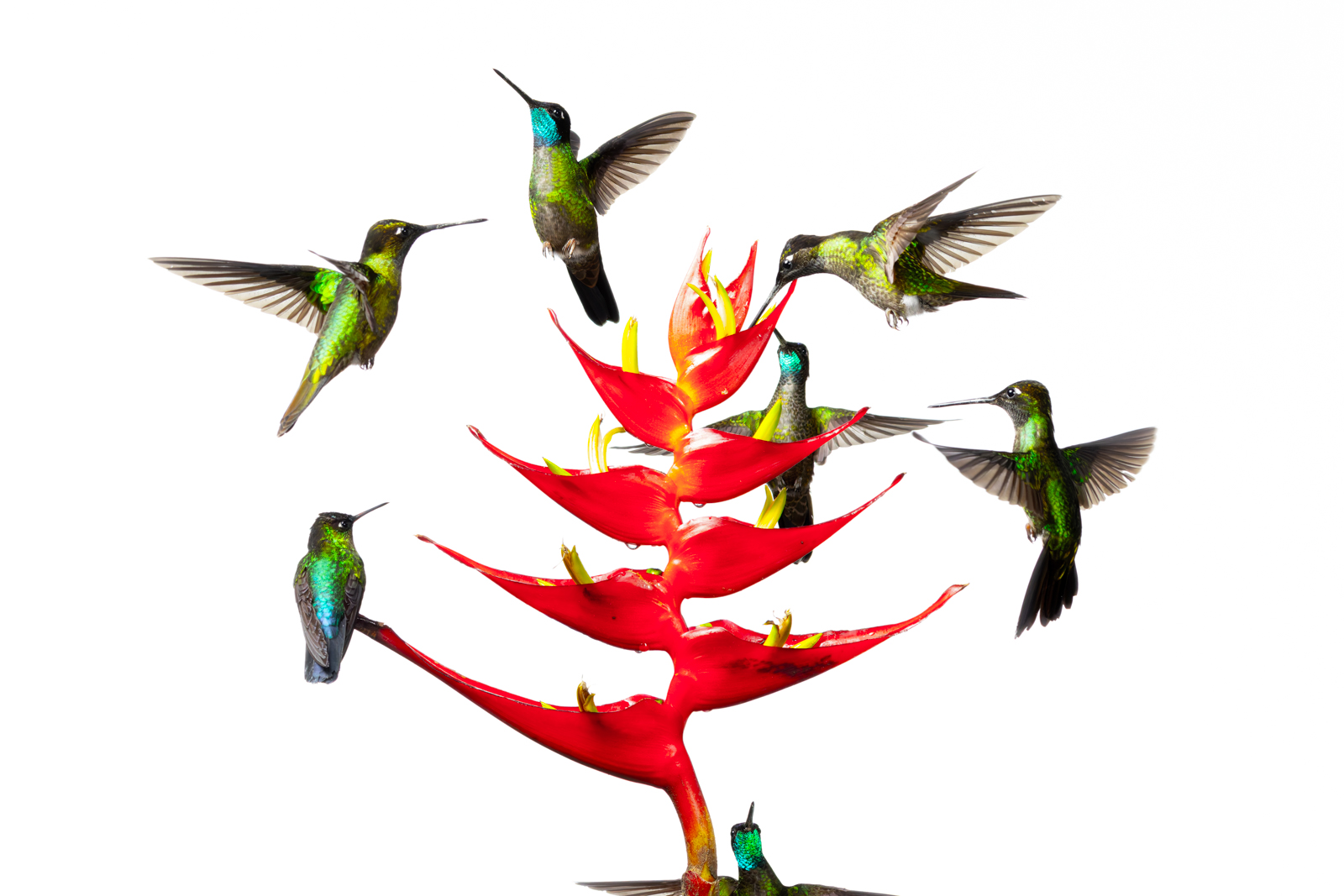
This is not a composite photo, but a singular photo of a whole "charm" of hummingbirds around it. A flock of hummingbirds is a "charm", but can also be called a "shimmer", "bouquet", or a "glittering" of hummingbirds. Finally, some truly poetic names although the term, a "murder" of crows, still brings flashes back to the writings of Edgar Allen Poe . The charm above is made up of Talamanca Hummingbirds with one likely Fiery-throated in the lower lefthand corner of the photo.
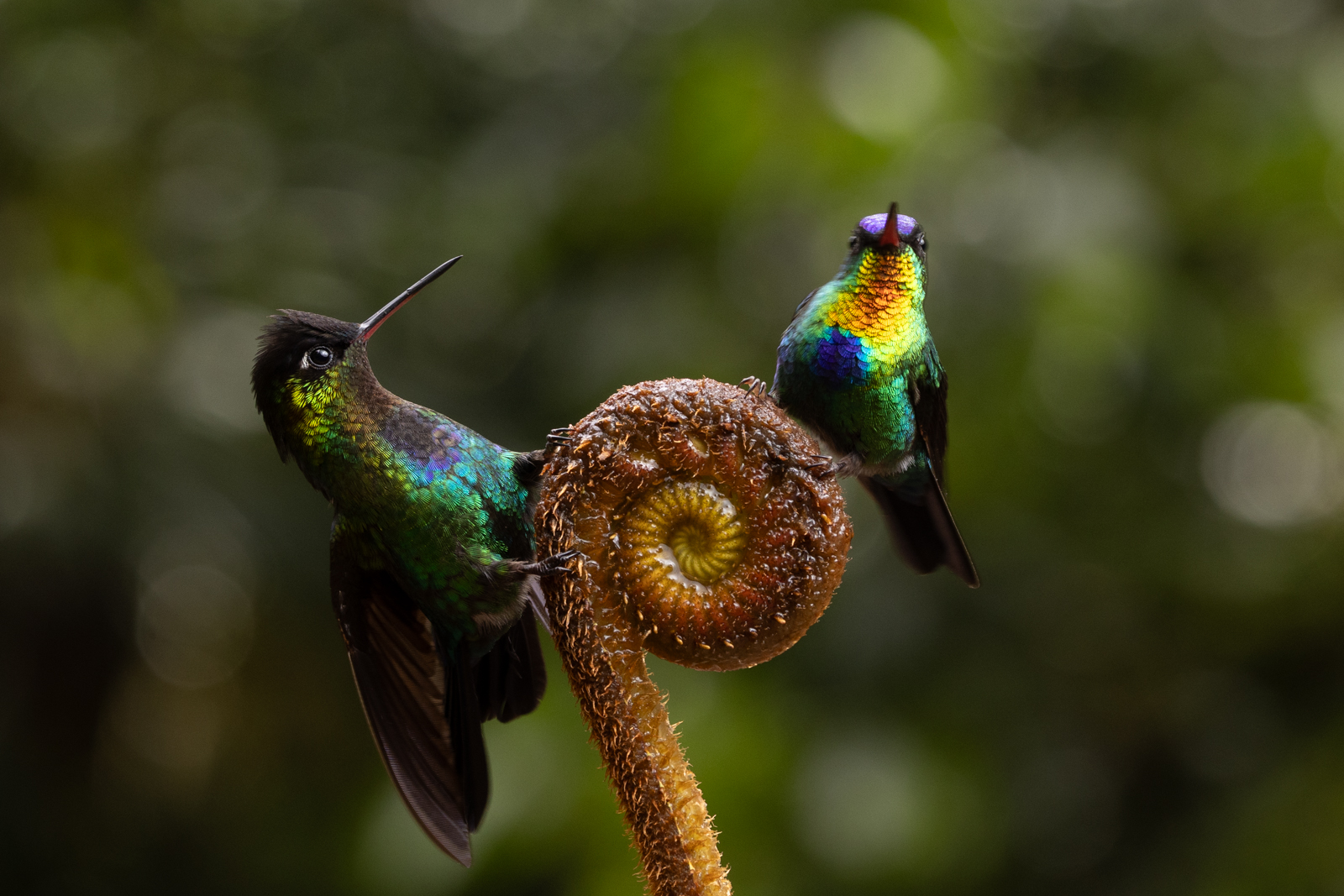
These Fiery Throated Hummingbirds are stunningly beautiful. They possess rainbows for throats. The colors constantly shift with the light and their movements. Getting this photo took a lot of preparation by our guides. There were numerous hummingbird feeders set up, attracting a plethora of hummers from a variety of different species. We set up our flashes, positioned our cameras, and then took most of the feeders away. This concentrated the hummingbirds in areas we hope to photograph, as this fern frond illustrates above.
Once the feeders have been removed, the staff guide from Tamandua, Ito, attracted the hummingbirds to the fern frond. Yes, unveiling how these photos were done adds a bit of artificiality to the process. However, their is nothing artificial about the care that Ito and all of the staff at Tamandua have for the land and its inhabitants. It took months of continuous feeding and human presence to get the hummingbirds to come to this platform reliably and feel safe around us.
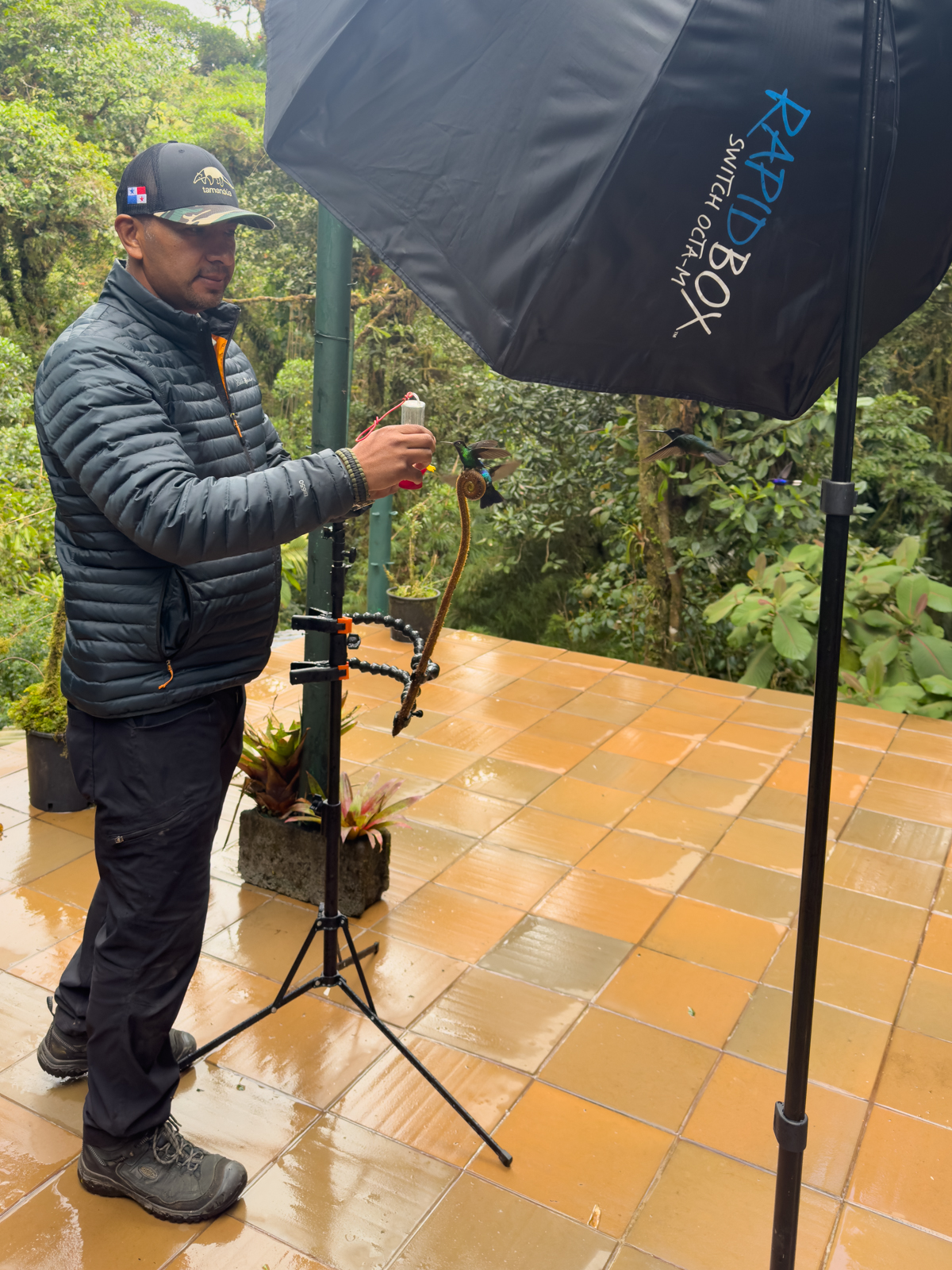
Ito and the rest of the staff are true caretakers of the land. They're trying to preserve this special environment while raising awareness of just how special it is while providing economic opportunity for the local villagers.
Beyond hummingbirds, the Tamandua Reserve offered numerous trails and blinds with the possibility of observing a plethora of birds and other animals. We missed the Ornate Hawk Eagle who had been coming by regularly a few days before we arrived. However, we heard multiple Quetzals calling throughout the forest and had great views of many of the local, endemic cloud forest species.
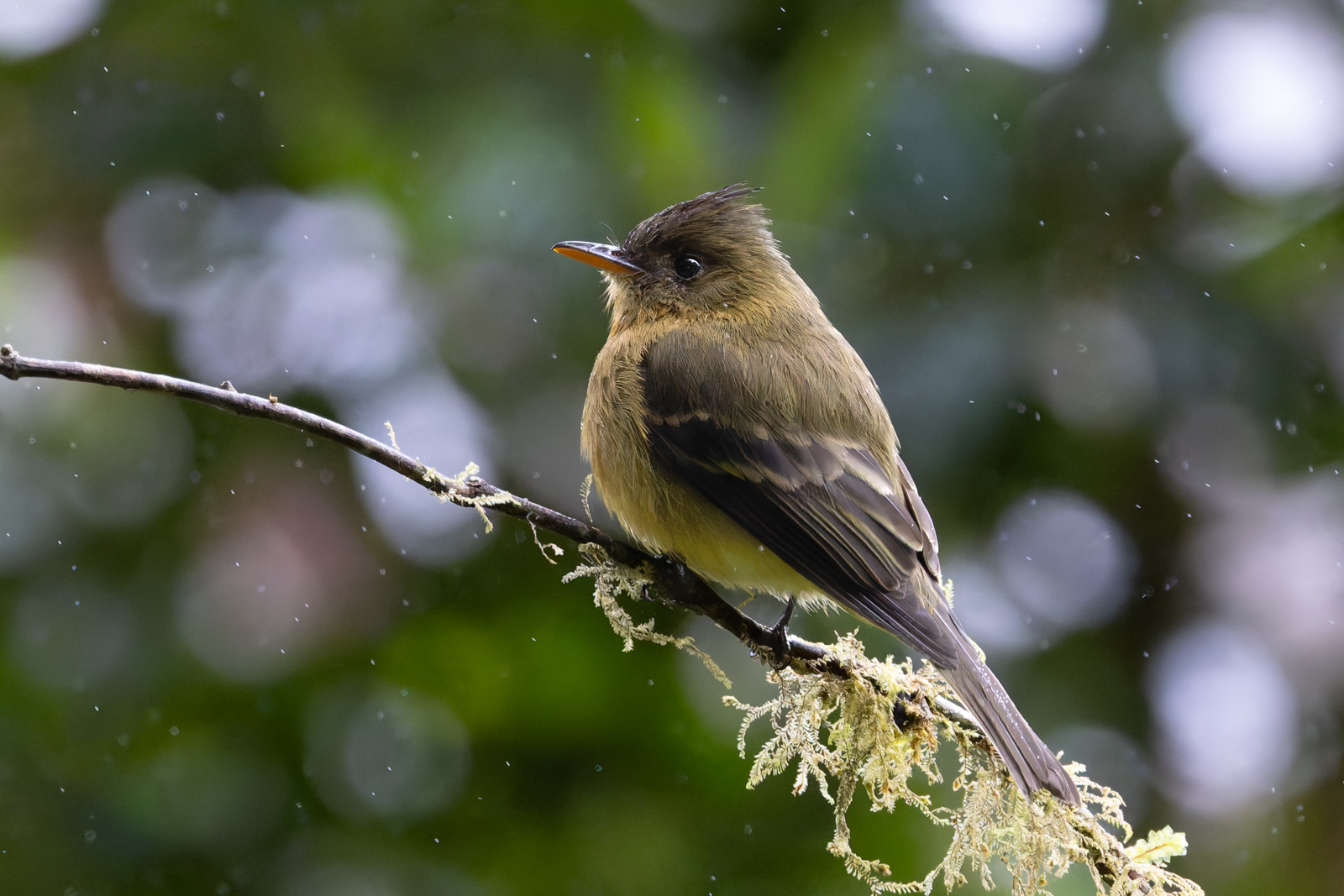
Cloud forests are not rain forests. Oh, it does rain in the Cloud Forest; however, it's the mist or the bajareque, as its known locally, that just seems to float down from the clouds. You don't realize you're in the clouds, but indeed for much of the day they surround you. The bajareque seems to float down slowly like tiny snow droplets, as seen here with the an Ochraceous Pewee.
I think of Pewees as a very common bird where I live in the US. They're frequently heard; however, difficult to see as they're always in the treetops. Here, however, an Ochraceous Pewee pauses on a low enough branch to photograph. It likely the rarest flycatchers I've ever seen as it exists only on these mountain tops, these islands in the clouds.
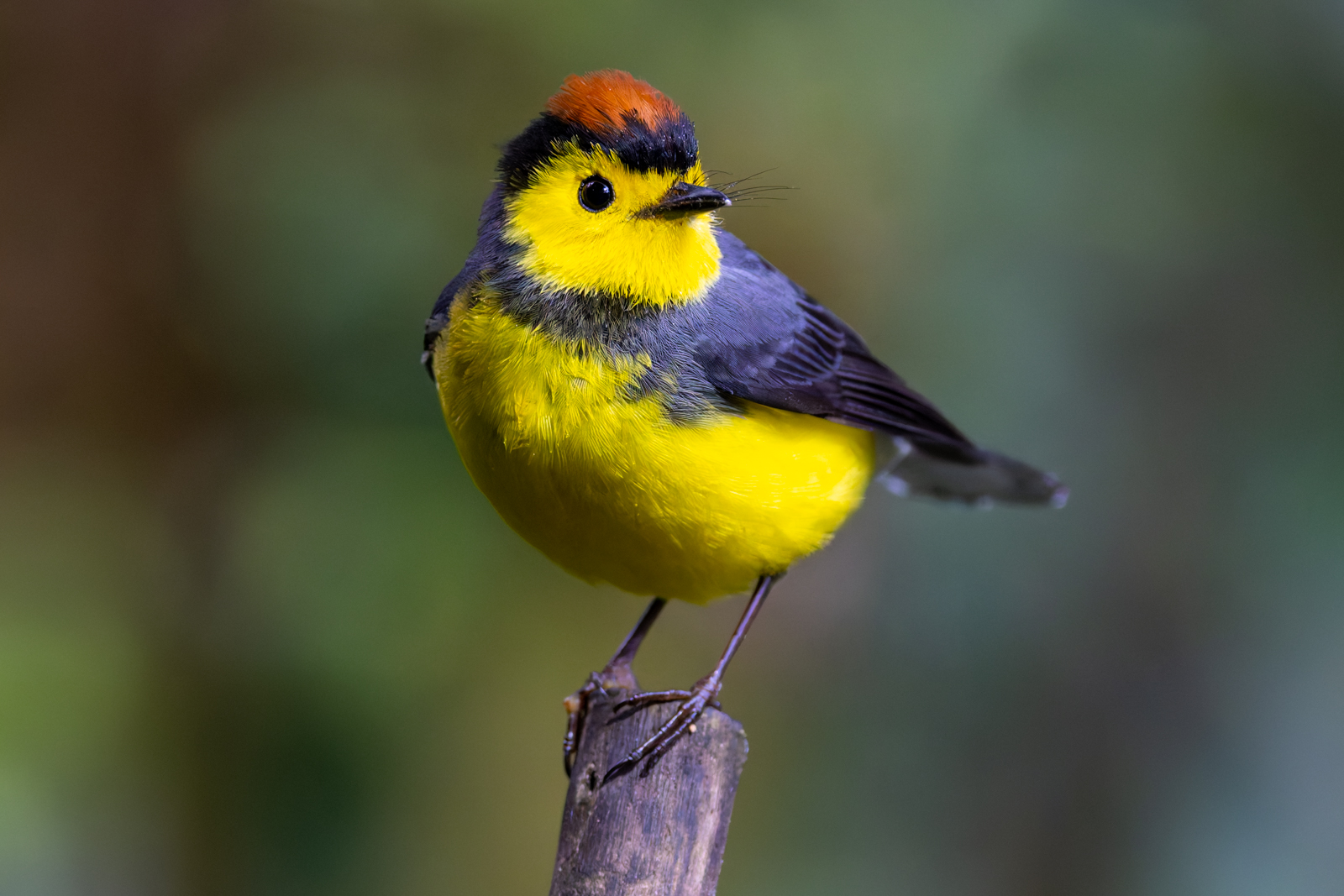
The American Redstarts haven't yet made it to my home in Wisconsin, but here in Panama, I was greeted by a few of its cousins, the Collared Redstart.
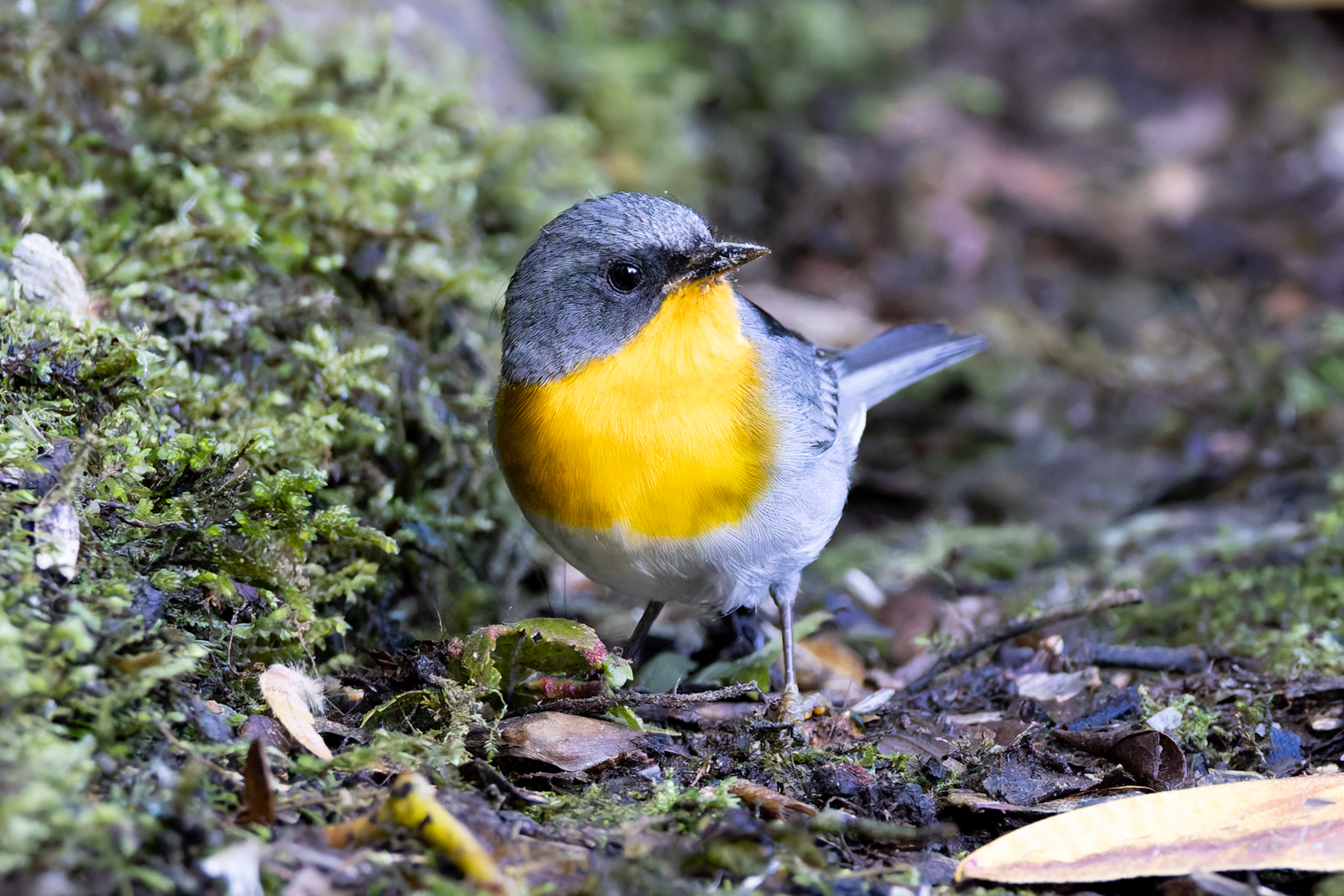
We saw a few warblers migrating north, but also this local warbler, the Flame Throated Warbler.
One of the amazing endemics of Panama's cloud forests. Seen in the early morning in a moth blind set up the night before.
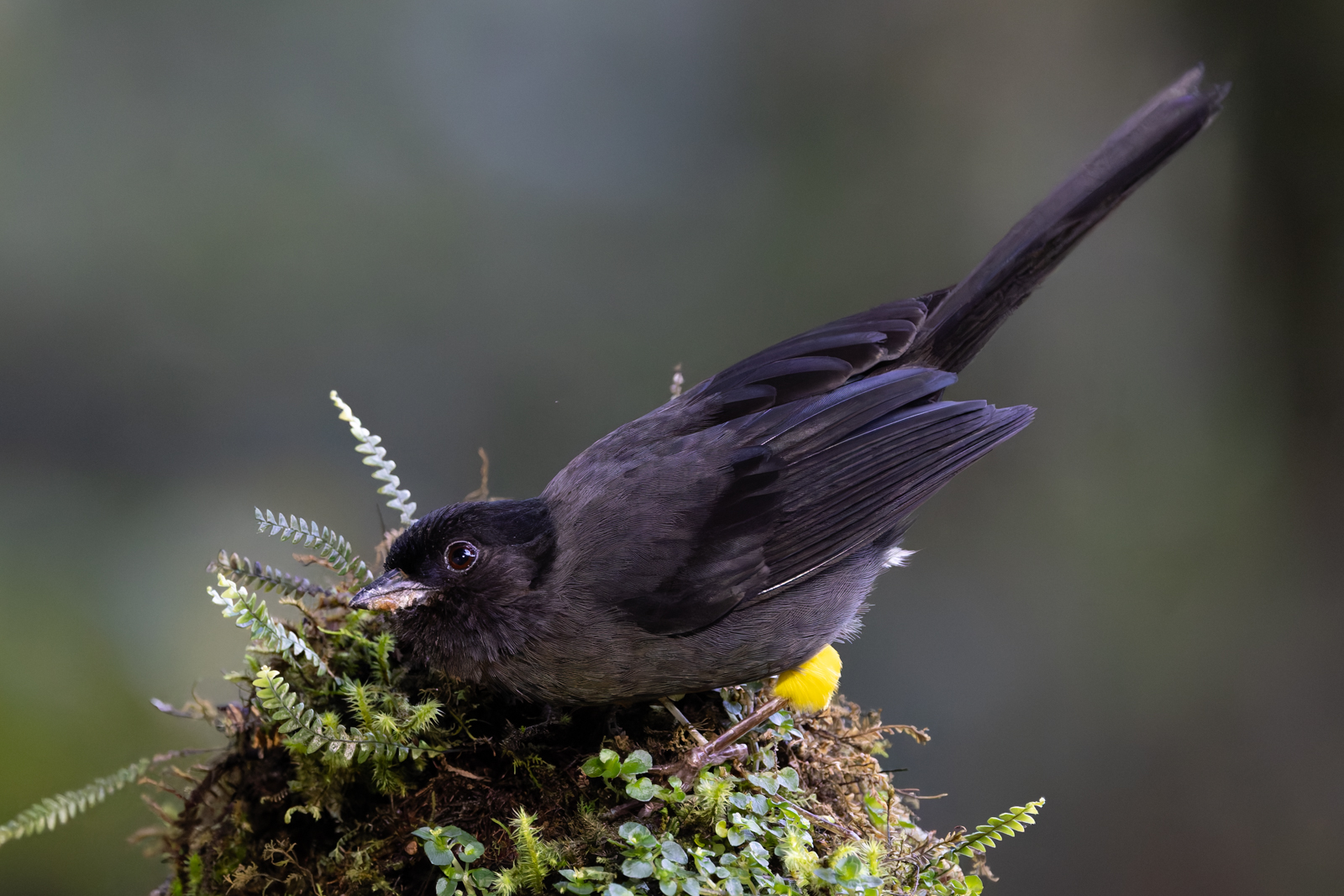
One of the strangest sparrows I've ever seen, the Yellow-thighed Brushfinch looks rather drab until you notice its highlighter yellow, Q-tip like thighs.
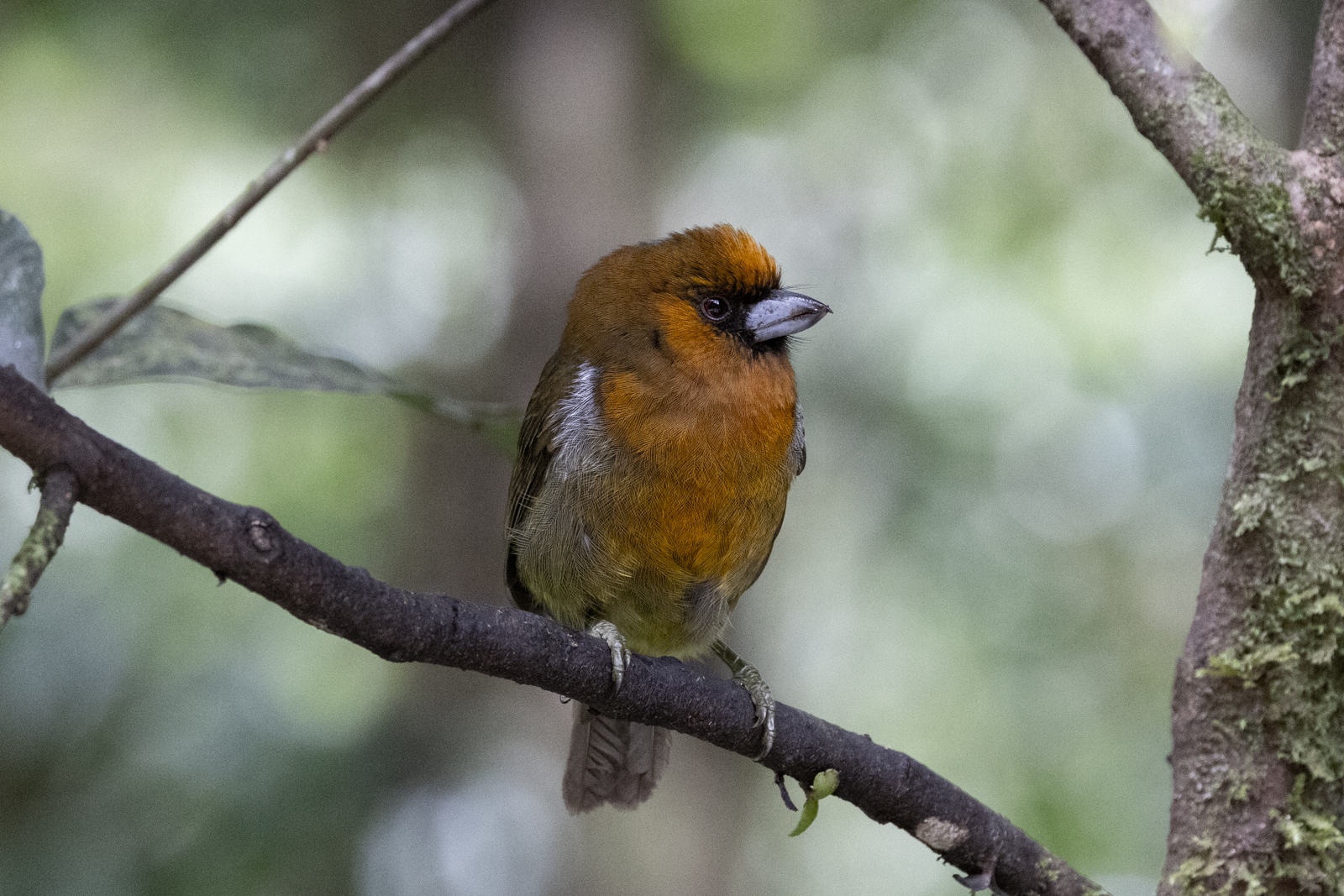
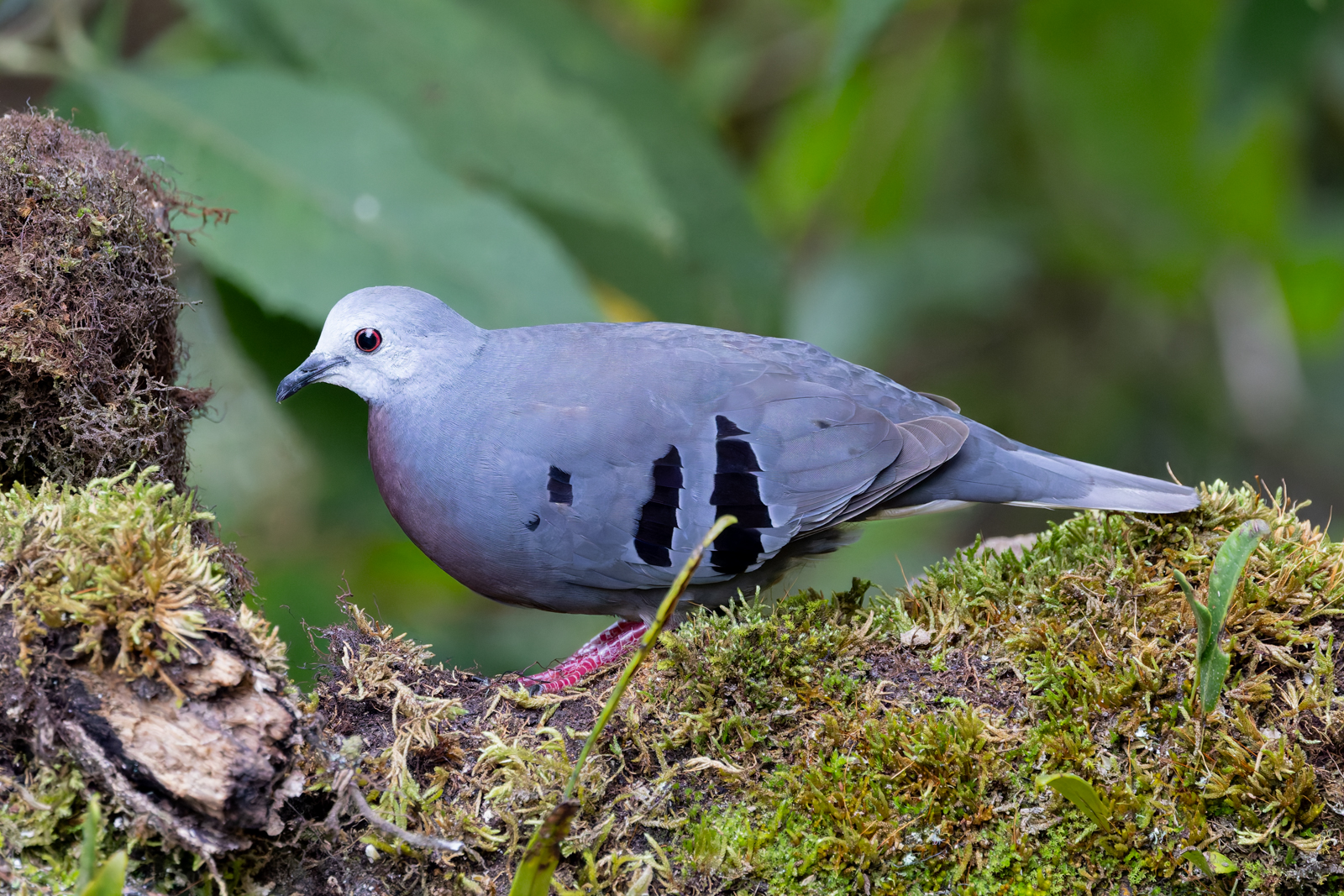
On one of our last days, I convinced our guide and the other workshop participants to leave the reserve and go look to the other side of the valley where Ito knew their were some Maroon-chested Ground Doves. Pigeons? You want to go find some pigeons? That was the initial reaction my fellow workshop participants had when I broached the idea. Almost everyone in the worlds knows about city pigeons (Rock Doves) and those of us in the US are used to the rather ubiquitous, Morning Doves, but, unlike those two species, many doves and pigeons in their native habitats are often rather secretive and wilily and the Maroon-chested Ground Dove is a rather rare endemic, which can be heard calling in its very localized habitat but rarely ever seen.
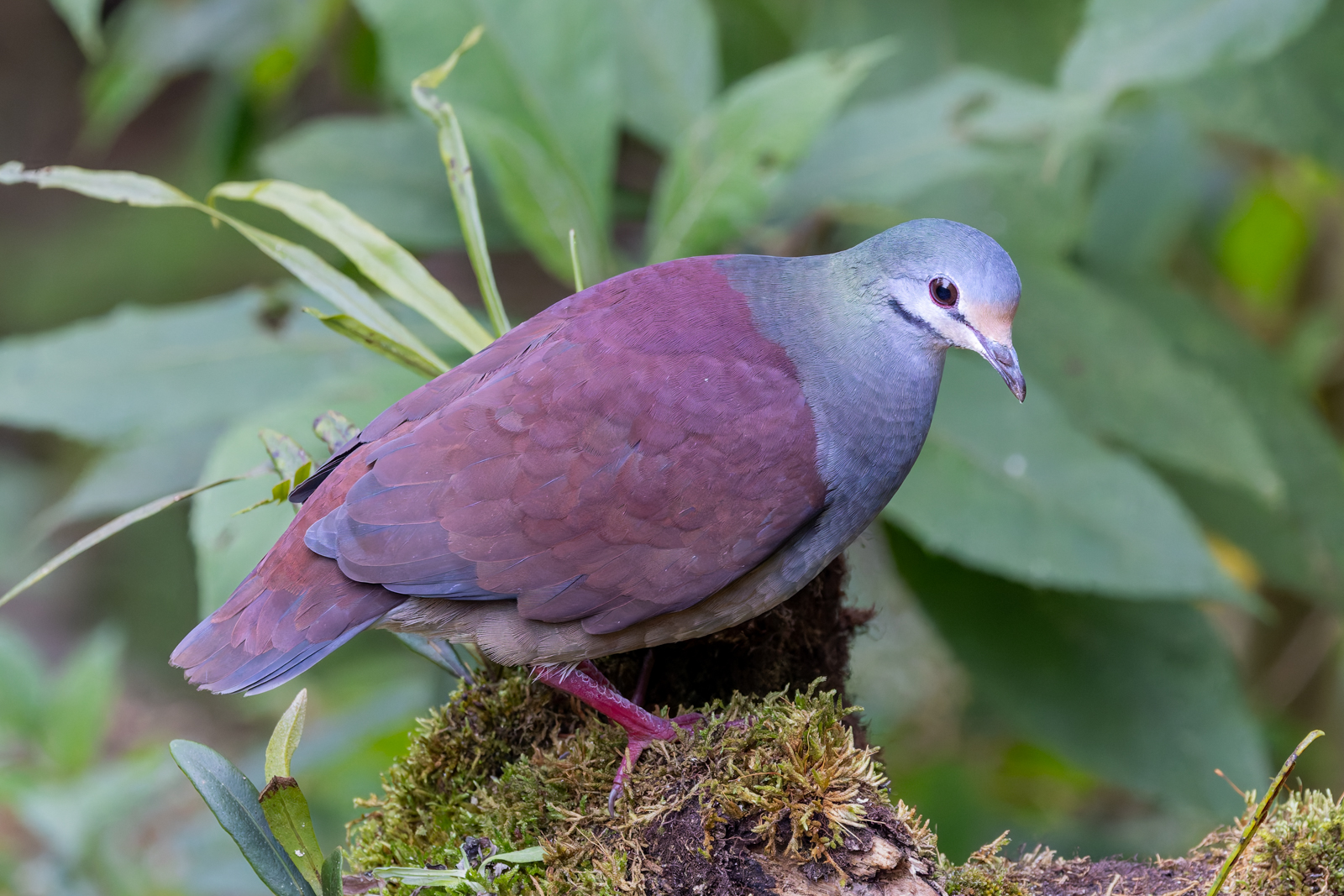
Tamandua's guide, Ito, has a well-placed blind on a farmer's land that the Ground Doves were known to frequent. I think my fellow participants reluctantly agreed to this, but in the end it proved to be a fun experience. We did see the Maroon-chested Ground Doves and also Buff-fronted Quail Dove. I'm glad everyone seemed to enjoy the experience and very glad we were able to see the doves!
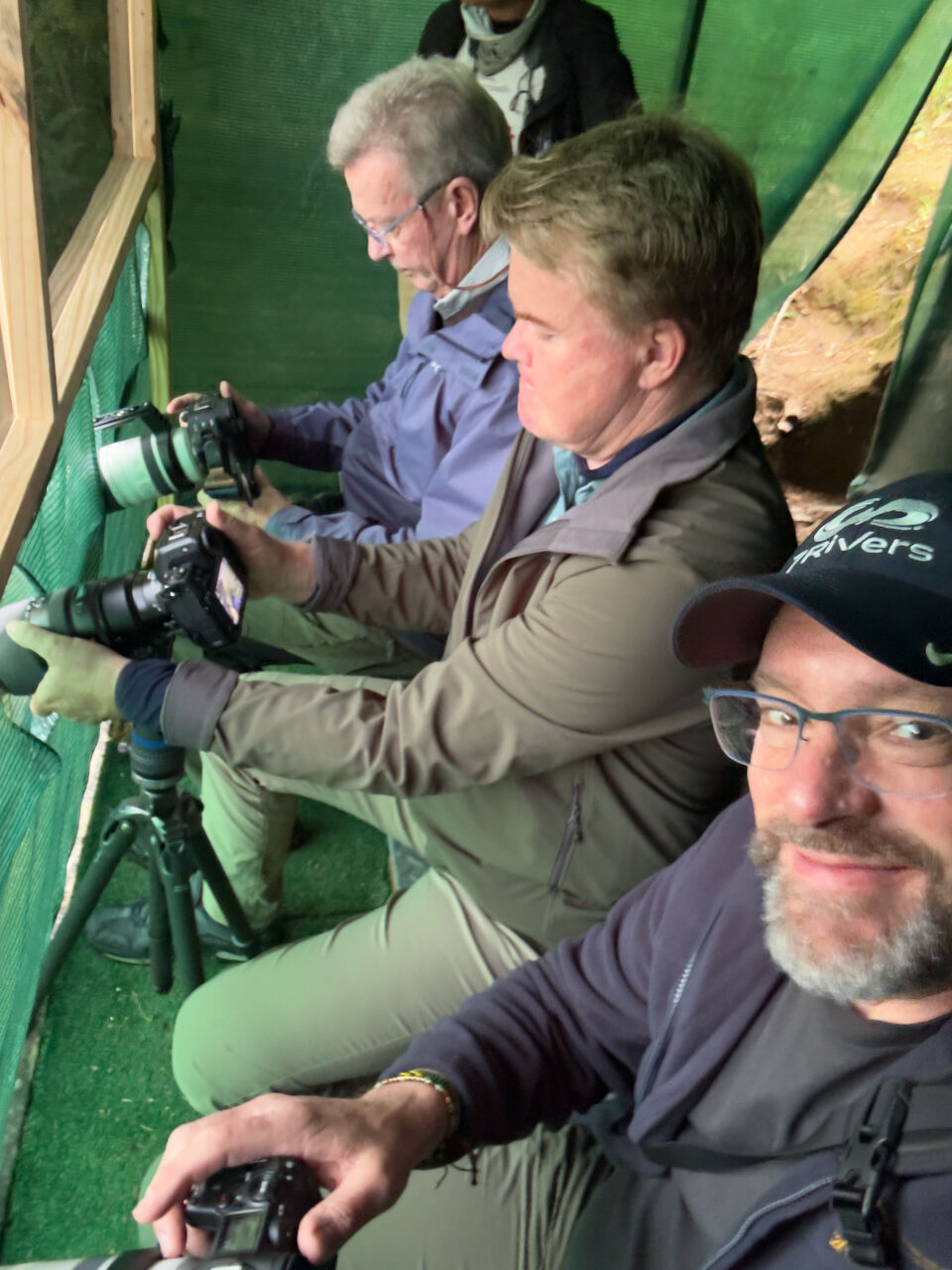
We only had to wait about 20 minutes before a few of the Maroon-chested Ground Doves came out of the forest to search for food. It was before 7am though!
After thinking the show was over, one solitary Buff-fronted Quail-Dove came out too.
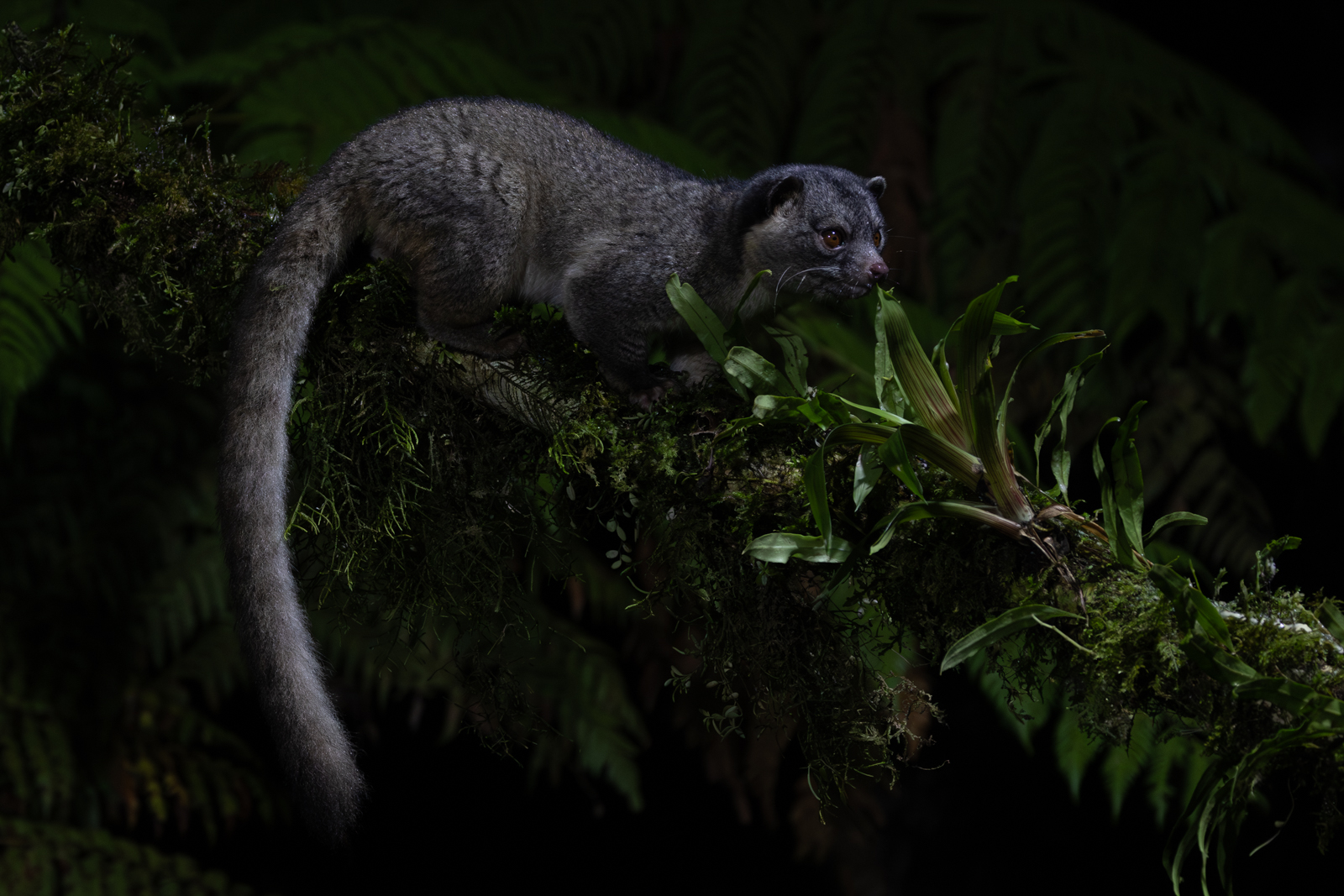
In addition to flash photography, we tried some nighttime photography with LED lights. This enabled us to capture some of the mammals that inhabited the cloud forests. Here a very distant relative to the North American Raccoon, a Cacomistle, searches a tree for food.
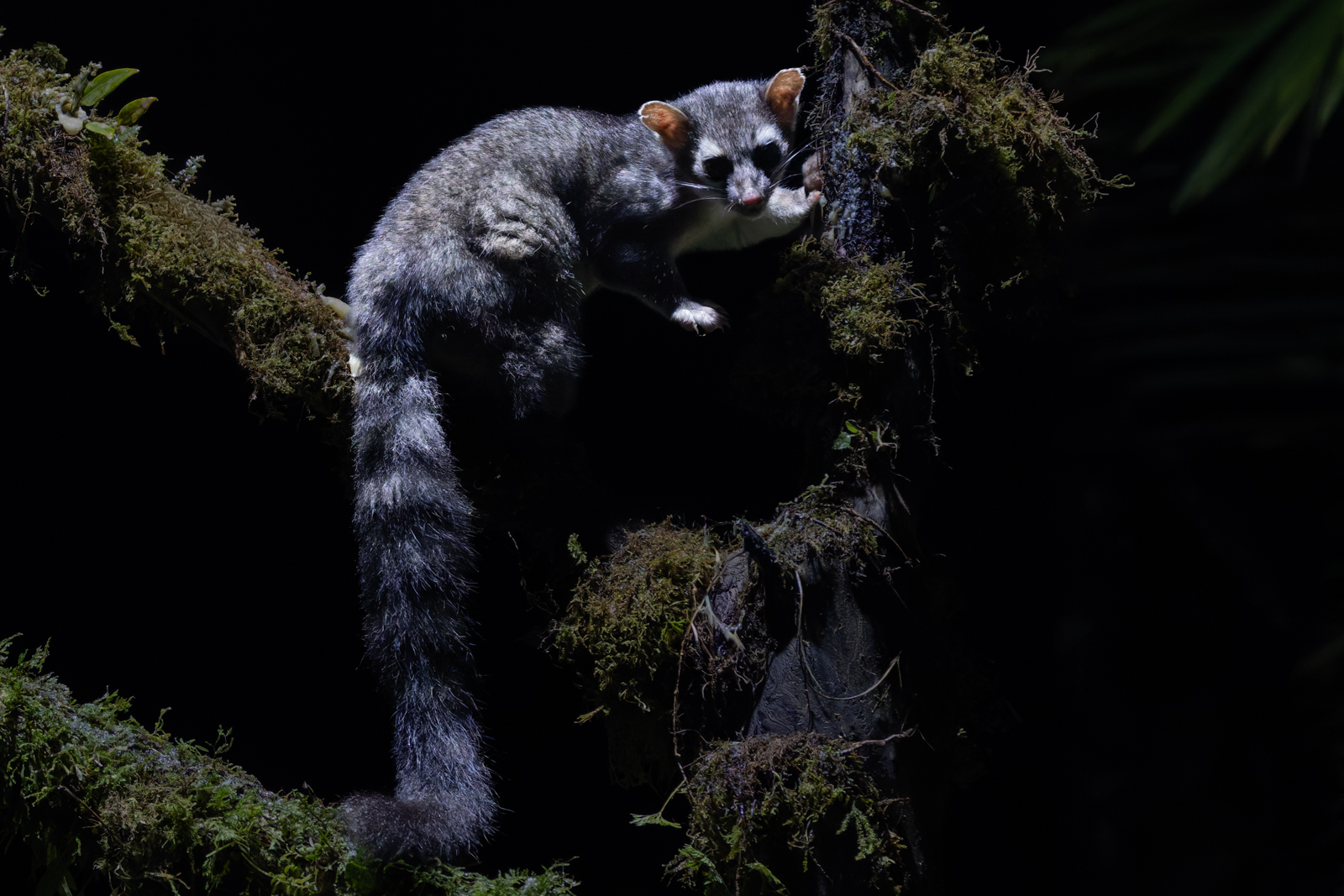
The cacomistle stayed for only a few minutes but was then scared off by its larger cousin an Olingo, here coming down a branch after frightening off the Cacomistle.
Our time in the Cloud Forest was over, but part two of the trip was a few days down at the Panama Canal. I learned a lot on this adventure in the Cloud Forest, met a few new friends, and had a lot of fun in the process. What more could one ask for in a trip? Oh yeah, I also added 43 birds to my ever growing life list!